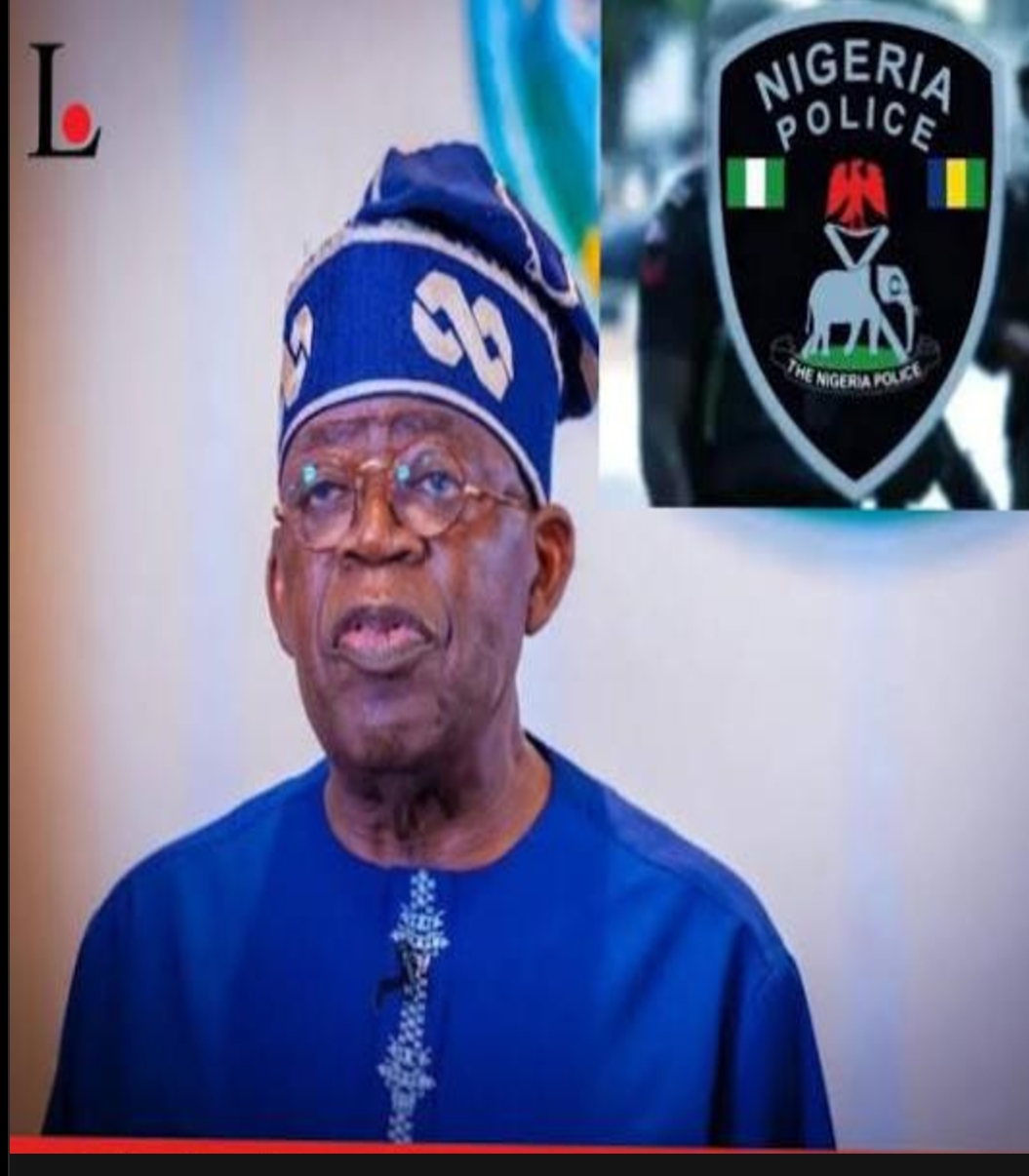
ARE NIGERIAN STATES READY FOR STATE POLICE? BETWEEN NECESSITY AND DANGEROUS PREMATURITY
March 23, 2026 | News
One of the most significant concerns surrounding state police
ARE NIGERIAN STATES READY FOR STATE POLICE? BETWEEN NECESSITY AND DANGEROUS PREMATURITY
-By Zik Gbemre
The growing call for the establishment of state police in Nigeria has gained renewed urgency under the administration of Bola Ahmed Tinubu. Across political circles, security experts, and public discourse, the argument appears straightforward: Nigeria’s centralized policing structure is overstretched, ineffective, and disconnected from local realities. Therefore, decentralization through state police is presented as the logical solution.
But beneath this seemingly compelling argument lies a more difficult and uncomfortable question:
Are Nigerian states truly ready for state police?
The answer, when examined beyond political rhetoric, is far more complex and deeply troubling.
The Illusion of Structural Solutions
Nigeria’s security crisis is real. From banditry in the North-West to kidnapping and violent crime in the South-South and South-East, the current policing system has struggled to respond effectively.
However, to assume that the mere creation of state police will resolve these challenges is to misunderstand the nature of the problem.
The failure of policing in Nigeria is not simply structural but institutional.
It is rooted in:
1. Weak accountability systems
2. Political interference
3. Corruption embedded in operational culture
4. A justice system that is slow and, at times, compromised
If these underlying issues remain unresolved, decentralizing policing may simply replicate failure across 36 states instead of one centralized system.
Political Control and the Risk of Abuse
One of the most significant concerns surrounding state police is the potential for abuse by political actors.
Nigeria’s political environment remains highly competitive and, at times, intolerant of opposition. In such a setting, placing policing powers under state governments raises legitimate fears:
1. Governors may use state police to intimidate political opponents
2. Law enforcement could be deployed during elections to influence outcomes
3. Dissent may be criminalized at the state level
This concern is not hypothetical. Nigeria’s pre-1966 regional policing experience demonstrated how local police forces were often used as instruments of political control.
Without strong institutional safeguards, state police could become tools of power rather than instruments of justice.
Institutional Weakness at the State Level
For state police to function effectively, states must possess strong institutions capable of ensuring oversight, discipline, and accountability.
The reality, however, is that many Nigerian states currently lack:
1. Independent oversight bodies
2. Functional and efficient judicial systems
3. Financial transparency and sustainability
4. Professional civil service structures
If the federal police, despite national oversight, struggles with corruption and abuse, the question becomes even more pressing:
What mechanisms will prevent worse outcomes at the state level?
The Political Economy of Policing.
Another critical issue often overlooked in the state police debate is the political economy surrounding law enforcement.
In several states, policing is already informally influenced by political patronage networks, economic interests tied to natural resources, and local power brokers.
For example, oil-producing states such as Delta State have long been associated with complex networks involving security agencies, political actors, and economic interests.
Introducing state police into such environments without reforming these networks risks:
1. Institutionalizing corruption at the state level
2. Deepening existing informal power structures
3. Expanding opportunities for rent-seeking
Lessons from the United States: A Cautious Comparison
Advocates of state police often point to the United States as a model of decentralized policing.
In the U.S., law enforcement operates at multiple levels: federal agencies, state police, county-level sheriffs (often elected), and city police departments.
In places like Texas and California, county sheriffs are elected, creating a form of direct accountability to the people. However, this system functions within a broader framework of strong institutions, an independent judiciary, established rule of law, and transparent electoral processes.
Even with these safeguards, the U.S. still faces challenges related to police misconduct and politicization.
The implication for Nigeria is clear:
Decentralization without institutional strength does not guarantee accountability it may simply decentralize abuse.
Can Nigeria Adapt a Hybrid Model?
If Nigeria is to pursue state and county police, a cautious and structured approach is necessary. A potential model for state policing could be structured along three interconnected lines:
First, there should be a clearly defined multi-tier policing architecture in which the Federal Police retains responsibility for national security, counterterrorism, and inter-state crimes, while State Police handle major crimes within their jurisdictions, and Local or County Police focus on community-level policing and grassroots intelligence gathering. This layered approach would ensure both national coordination and local responsiveness without unnecessary overlap or confusion of roles.
Second, leadership safeguards must be deliberately built into the system to prevent abuse of power. Heads of state police formations should not be subject solely to the discretion of governors; rather, they should be nominated through a transparent process, independently vetted, and confirmed by state assemblies with an added layer of federal or independent oversight. In addition, such positions should carry fixed tenures, with clear legal protections against arbitrary removal, in order to shield officers from political pressure and ensure continuity in command.
Third, democratic accountability may be introduced cautiously by drawing limited inspiration from systems such as that of Texas, where local sheriffs are elected. In the Nigerian context, this could translate into the election of certain local or county police heads, provided that strict eligibility criteria are enforced and robust mechanisms for recall are established to address non-performance or misconduct. However, such democratic elements must be carefully designed to avoid simply transferring political competition into law enforcement structures.
However, in Nigeria’s current political climate, elections alone may not guarantee accountability. They may instead reflect the same political divisions that already affect governance.
The Question of Readiness.
To determine readiness for state police, Nigeria must confront key questions:
1. Do states have the institutional capacity to manage police forces independently?
2. Can governors be effectively restrained from abusing policing powers?
3. Are judicial systems strong enough to enforce accountability?
4. Is there political will to punish misconduct within the system?
At present, the honest answer to many of these questions is no.
Reform Before Decentralization.
The path forward requires a shift in priorities.
Rather than rushing into state and county police, Nigeria must first:
1. Strengthen oversight institutions
2. Reform the judiciary
3. Establish independent complaints mechanisms
4. Depoliticize police appointments
5. Enforce accountability at all levels
Without these foundational reforms, state and county police may not solve Nigeria’s security challenges but deepen them.
Between Urgency and Caution.
Nigeria’s security challenges demand urgent solutions. But urgency must not replace careful judgment.
The call for state police is understandable. The frustrations driving it are real. But creating new structures without fixing underlying weaknesses risks compounding the problem.
The real issue is not whether Nigeria needs state police.
The real issue is whether Nigeria has built the institutional discipline required to sustain it.
The future of policing in Nigeria may indeed lie in a system where state police exists, but operates within a strong federal regulatory framework. Such an arrangement would allow for localized responsiveness and operational autonomy, while ensuring that national standards, oversight mechanisms, and constitutional safeguards prevent abuse and misuse of power.
Until that balance is achieved, the push for state police may represent not a solution but a dangerous illusion of progress.
Zik Gbemre
March 23,2026
We Mobilize Others To Fight For Individual Causes As If Those Were Our Causes
-By Zik Gbemre
The growing call for the establishment of state police in Nigeria has gained renewed urgency under the administration of Bola Ahmed Tinubu. Across political circles, security experts, and public discourse, the argument appears straightforward: Nigeria’s centralized policing structure is overstretched, ineffective, and disconnected from local realities. Therefore, decentralization through state police is presented as the logical solution.
But beneath this seemingly compelling argument lies a more difficult and uncomfortable question:
Are Nigerian states truly ready for state police?
The answer, when examined beyond political rhetoric, is far more complex and deeply troubling.
The Illusion of Structural Solutions
Nigeria’s security crisis is real. From banditry in the North-West to kidnapping and violent crime in the South-South and South-East, the current policing system has struggled to respond effectively.
However, to assume that the mere creation of state police will resolve these challenges is to misunderstand the nature of the problem.
The failure of policing in Nigeria is not simply structural but institutional.
It is rooted in:
1. Weak accountability systems
2. Political interference
3. Corruption embedded in operational culture
4. A justice system that is slow and, at times, compromised
If these underlying issues remain unresolved, decentralizing policing may simply replicate failure across 36 states instead of one centralized system.
Political Control and the Risk of Abuse
One of the most significant concerns surrounding state police is the potential for abuse by political actors.
Nigeria’s political environment remains highly competitive and, at times, intolerant of opposition. In such a setting, placing policing powers under state governments raises legitimate fears:
1. Governors may use state police to intimidate political opponents
2. Law enforcement could be deployed during elections to influence outcomes
3. Dissent may be criminalized at the state level
This concern is not hypothetical. Nigeria’s pre-1966 regional policing experience demonstrated how local police forces were often used as instruments of political control.
Without strong institutional safeguards, state police could become tools of power rather than instruments of justice.
Institutional Weakness at the State Level
For state police to function effectively, states must possess strong institutions capable of ensuring oversight, discipline, and accountability.
The reality, however, is that many Nigerian states currently lack:
1. Independent oversight bodies
2. Functional and efficient judicial systems
3. Financial transparency and sustainability
4. Professional civil service structures
If the federal police, despite national oversight, struggles with corruption and abuse, the question becomes even more pressing:
What mechanisms will prevent worse outcomes at the state level?
The Political Economy of Policing.
Another critical issue often overlooked in the state police debate is the political economy surrounding law enforcement.
In several states, policing is already informally influenced by political patronage networks, economic interests tied to natural resources, and local power brokers.
For example, oil-producing states such as Delta State have long been associated with complex networks involving security agencies, political actors, and economic interests.
Introducing state police into such environments without reforming these networks risks:
1. Institutionalizing corruption at the state level
2. Deepening existing informal power structures
3. Expanding opportunities for rent-seeking
Lessons from the United States: A Cautious Comparison
Advocates of state police often point to the United States as a model of decentralized policing.
In the U.S., law enforcement operates at multiple levels: federal agencies, state police, county-level sheriffs (often elected), and city police departments.
In places like Texas and California, county sheriffs are elected, creating a form of direct accountability to the people. However, this system functions within a broader framework of strong institutions, an independent judiciary, established rule of law, and transparent electoral processes.
Even with these safeguards, the U.S. still faces challenges related to police misconduct and politicization.
The implication for Nigeria is clear:
Decentralization without institutional strength does not guarantee accountability it may simply decentralize abuse.
Can Nigeria Adapt a Hybrid Model?
If Nigeria is to pursue state and county police, a cautious and structured approach is necessary. A potential model for state policing could be structured along three interconnected lines:
First, there should be a clearly defined multi-tier policing architecture in which the Federal Police retains responsibility for national security, counterterrorism, and inter-state crimes, while State Police handle major crimes within their jurisdictions, and Local or County Police focus on community-level policing and grassroots intelligence gathering. This layered approach would ensure both national coordination and local responsiveness without unnecessary overlap or confusion of roles.
Second, leadership safeguards must be deliberately built into the system to prevent abuse of power. Heads of state police formations should not be subject solely to the discretion of governors; rather, they should be nominated through a transparent process, independently vetted, and confirmed by state assemblies with an added layer of federal or independent oversight. In addition, such positions should carry fixed tenures, with clear legal protections against arbitrary removal, in order to shield officers from political pressure and ensure continuity in command.
Third, democratic accountability may be introduced cautiously by drawing limited inspiration from systems such as that of Texas, where local sheriffs are elected. In the Nigerian context, this could translate into the election of certain local or county police heads, provided that strict eligibility criteria are enforced and robust mechanisms for recall are established to address non-performance or misconduct. However, such democratic elements must be carefully designed to avoid simply transferring political competition into law enforcement structures.
However, in Nigeria’s current political climate, elections alone may not guarantee accountability. They may instead reflect the same political divisions that already affect governance.
The Question of Readiness.
To determine readiness for state police, Nigeria must confront key questions:
1. Do states have the institutional capacity to manage police forces independently?
2. Can governors be effectively restrained from abusing policing powers?
3. Are judicial systems strong enough to enforce accountability?
4. Is there political will to punish misconduct within the system?
At present, the honest answer to many of these questions is no.
Reform Before Decentralization.
The path forward requires a shift in priorities.
Rather than rushing into state and county police, Nigeria must first:
1. Strengthen oversight institutions
2. Reform the judiciary
3. Establish independent complaints mechanisms
4. Depoliticize police appointments
5. Enforce accountability at all levels
Without these foundational reforms, state and county police may not solve Nigeria’s security challenges but deepen them.
Between Urgency and Caution.
Nigeria’s security challenges demand urgent solutions. But urgency must not replace careful judgment.
The call for state police is understandable. The frustrations driving it are real. But creating new structures without fixing underlying weaknesses risks compounding the problem.
The real issue is not whether Nigeria needs state police.
The real issue is whether Nigeria has built the institutional discipline required to sustain it.
The future of policing in Nigeria may indeed lie in a system where state police exists, but operates within a strong federal regulatory framework. Such an arrangement would allow for localized responsiveness and operational autonomy, while ensuring that national standards, oversight mechanisms, and constitutional safeguards prevent abuse and misuse of power.
Until that balance is achieved, the push for state police may represent not a solution but a dangerous illusion of progress.
Zik Gbemre
March 23,2026
We Mobilize Others To Fight For Individual Causes As If Those Were Our Causes