WWHEN CRIME BECOMES A CONTRACT: THE TOMPOLO AND TANTITA SURVEILLANCE CONTROVERSYÂ
March 6, 2026 | News
But supporting the surveillance system does not mean remaining silent when aspects of it raise serious concerns
WHEN CRIME BECOMES A CONTRACT: THE TOMPOLO AND TANTITA SURVEILLANCE CONTROVERSY
-By Zik Gbemre
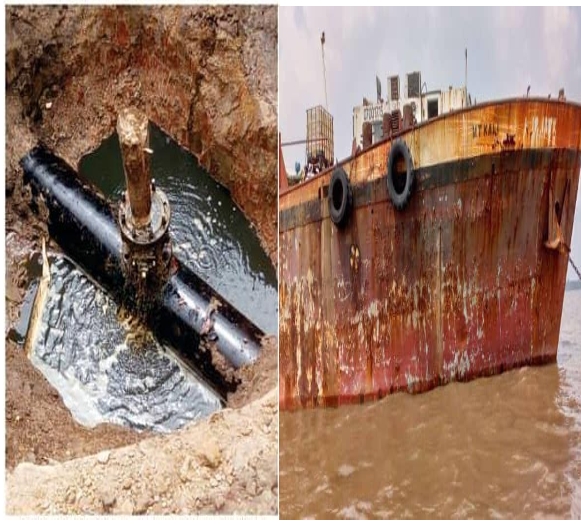
There is a troubling contradiction in Nigeria’s approach to tackling crude oil theft in the Niger Delta. For years, Government Ekpemupolo (Tompolo) and many of his associates were widely linked to pipeline vandalism, illegal bunkering, and large-scale crude oil theft. Yet today, the same network is reportedly being rewarded with lucrative surveillance contracts to prevent the very crimes they were once accused of committing.
Through Tantita Security Services, Tompolo and his organization have been contracted by the Federal Government and the Nigerian National Petroleum Company Limited (NNPCL) to monitor pipelines and curb illegal oil bunkering. This development raises an uncomfortable question: what message does it send when those once associated with a crime are now paid to prevent it?
If individuals previously linked to pipeline sabotage are rewarded with government contracts, it risks creating the perception that crime eventually pays. In such a system, wrongdoing can appear to be a pathway to recognition, negotiation, and financial reward rather than accountability. Under those circumstances, how can Nigeria realistically expect criminal activities like crude oil theft to decline?
However, the concern about Tantita goes beyond history or personalities. The real issue many critics are raising is about value and accountability.
Two key questions must be asked:
1. Is Tantita truly delivering a service worth ₦48 billion per year?
Public funds should be tied to measurable results, transparency, and clear evidence that the contract provides real value for money.
2. Is paying former actors in a criminal ecosystem to protect critical oil & gas infrastructure essentially a form of institutionalized extortion?
When protection is outsourced to individuals previously linked to the threat, it creates a system where the line between enforcement and coercion can become blurred.
To be clear, the pipeline surveillance framework itself is necessary and important. Protecting Nigeria’s oil infrastructure is critical to the country’s economy, and any system that effectively reduces oil theft and sabotage deserves support.
But supporting the surveillance system does not mean remaining silent when aspects of it raise serious concerns. We must continue to question and challenge any actor or arrangement that undermines the value, credibility, and integrity of the surveillance structure.
Even more troubling are reports that some of Tompolo’s associates have allegedly threatened to resume pipeline vandalism if the Tantita surveillance contract is revoked. If such threats are true, they reinforce the fear that the current arrangement may resemble a protection racket more than a sustainable security solution.
Nigeria cannot build a stable system where security contracts are perceived as rewards for past misconduct or leverage against future sabotage. The country deserves a transparent, accountable framework for protecting its critical infrastructure—one that discourages crime rather than appearing to negotiate with it.
Until these questions are addressed openly and convincingly, the controversy surrounding Tantita will continue to fuel public skepticism about whether Nigeria is truly fighting oil theft or simply managing it through contracts.
Additionally, public displays of wealth by some individuals reportedly connected to the surveillance arrangement have drawn attention and sparked questions about the sources of such funds. For instance, celebrations such as the high-profile birthday events attributed to Matthew Tonlagha in Effurun and Abuja reportedly involved significant expenditures. While there is nothing inherently wrong with celebrating personal milestones, such displays inevitably raise public questions about the origins of the funds used for the said lavish birthday parties in Effurun and Abuja.
These concerns are compounded by observations that several individuals associated with the network have reportedly acquired multiple properties in Warri, Effurun, and surrounding areas since the surveillance contract was awarded.
Given the strategic importance of Nigeria’s oil infrastructure, it is reasonable for the Federal Government and the Nigerian National Petroleum Company Limited (NNPCL) to ensure that all surveillance contracts are subject to strict oversight, transparency, and accountability. Allegations of oil theft, unexplained wealth, or coercive threats, if substantiated should be thoroughly investigated.
Zik Gbemre
March 6, 2026
We Mobilize Others To Fight For Individual Causes As If Those Were Our Causes
-By Zik Gbemre
There is a troubling contradiction in Nigeria’s approach to tackling crude oil theft in the Niger Delta. For years, Government Ekpemupolo (Tompolo) and many of his associates were widely linked to pipeline vandalism, illegal bunkering, and large-scale crude oil theft. Yet today, the same network is reportedly being rewarded with lucrative surveillance contracts to prevent the very crimes they were once accused of committing.
Through Tantita Security Services, Tompolo and his organization have been contracted by the Federal Government and the Nigerian National Petroleum Company Limited (NNPCL) to monitor pipelines and curb illegal oil bunkering. This development raises an uncomfortable question: what message does it send when those once associated with a crime are now paid to prevent it?
If individuals previously linked to pipeline sabotage are rewarded with government contracts, it risks creating the perception that crime eventually pays. In such a system, wrongdoing can appear to be a pathway to recognition, negotiation, and financial reward rather than accountability. Under those circumstances, how can Nigeria realistically expect criminal activities like crude oil theft to decline?
However, the concern about Tantita goes beyond history or personalities. The real issue many critics are raising is about value and accountability.
Two key questions must be asked:
1. Is Tantita truly delivering a service worth ₦48 billion per year?
Public funds should be tied to measurable results, transparency, and clear evidence that the contract provides real value for money.
2. Is paying former actors in a criminal ecosystem to protect critical oil & gas infrastructure essentially a form of institutionalized extortion?
When protection is outsourced to individuals previously linked to the threat, it creates a system where the line between enforcement and coercion can become blurred.
To be clear, the pipeline surveillance framework itself is necessary and important. Protecting Nigeria’s oil infrastructure is critical to the country’s economy, and any system that effectively reduces oil theft and sabotage deserves support.
But supporting the surveillance system does not mean remaining silent when aspects of it raise serious concerns. We must continue to question and challenge any actor or arrangement that undermines the value, credibility, and integrity of the surveillance structure.
Even more troubling are reports that some of Tompolo’s associates have allegedly threatened to resume pipeline vandalism if the Tantita surveillance contract is revoked. If such threats are true, they reinforce the fear that the current arrangement may resemble a protection racket more than a sustainable security solution.
Nigeria cannot build a stable system where security contracts are perceived as rewards for past misconduct or leverage against future sabotage. The country deserves a transparent, accountable framework for protecting its critical infrastructure—one that discourages crime rather than appearing to negotiate with it.
Until these questions are addressed openly and convincingly, the controversy surrounding Tantita will continue to fuel public skepticism about whether Nigeria is truly fighting oil theft or simply managing it through contracts.
Additionally, public displays of wealth by some individuals reportedly connected to the surveillance arrangement have drawn attention and sparked questions about the sources of such funds. For instance, celebrations such as the high-profile birthday events attributed to Matthew Tonlagha in Effurun and Abuja reportedly involved significant expenditures. While there is nothing inherently wrong with celebrating personal milestones, such displays inevitably raise public questions about the origins of the funds used for the said lavish birthday parties in Effurun and Abuja.
These concerns are compounded by observations that several individuals associated with the network have reportedly acquired multiple properties in Warri, Effurun, and surrounding areas since the surveillance contract was awarded.
Given the strategic importance of Nigeria’s oil infrastructure, it is reasonable for the Federal Government and the Nigerian National Petroleum Company Limited (NNPCL) to ensure that all surveillance contracts are subject to strict oversight, transparency, and accountability. Allegations of oil theft, unexplained wealth, or coercive threats, if substantiated should be thoroughly investigated.
Zik Gbemre
March 6, 2026
We Mobilize Others To Fight For Individual Causes As If Those Were Our Causes