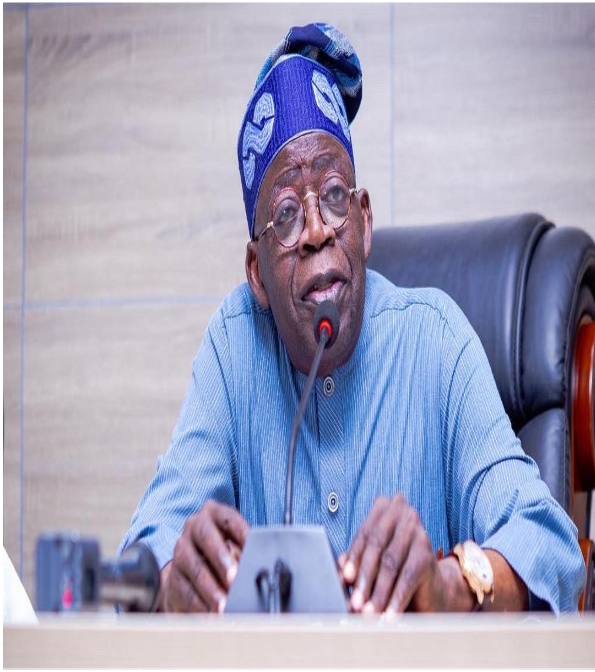
RECYCLING POWER: A CRITICAL LOOK AT NIGERIA’S NEW AMBASSADORIAL APPOINTMENTSÂ
March 9, 2026 | News
Insanity is doing the same thing over and over again and expecting different results
RECYCLING POWER: A CRITICAL LOOK AT NIGERIA’S NEW AMBASSADORIAL APPOINTMENTS
-By Zik Gbemre
The recent approval of 65 ambassadorial appointments and posting by the Nigerian president has sparked debate about the direction of the country’s diplomatic leadership. While experience is undeniably valuable in diplomacy, a closer examination of the list suggests a familiar trend in Nigeria’s public service system—the repeated recycling of long-standing political figures.
This pattern raises an important question: Is Nigeria prioritizing continuity at the expense of innovation?
A List Dominated by Familiar Faces:
The newly announced ambassadors include a wide range of former public office holders:
• Retired military officers
• A former chairman of the Independent National Electoral Commission (INEC)
• Former ministers
• Former senators
• Former governors and deputy governors
• Retired university lecturers
Many of these individuals have already held significant positions in government for years, and in some cases decades. Yet critics argue that their previous tenures often produced limited transformative results. Their reappointment suggests that the political establishment may still prefer familiarity and loyalty over fresh perspectives and new ideas.
The Problem of Recycling Leadership:
The continuous return of the same political actors into public office has become a recurring feature of Nigeria’s governance culture. Rather than opening opportunities for younger professionals, diplomats, and technocrats who might bring new energy to Nigeria’s foreign policy, the system appears to reward long-standing insiders.
This situation echoes the famous observation often attributed to Albert Einstein:
“Insanity is doing the same thing over and over again and expecting different results.”
For many observers, the recycling of leadership reinforces a perception that Nigeria’s political class remains deeply entrenched in power, regardless of performance or generational change.
Age, Effectiveness, and Public Perception:
Another criticism emerging from public discourse concerns the age and vitality of some appointees. Critics argue that a few individuals appear to be well past their most productive years and may struggle to meet the demanding responsibilities of modern diplomatic service.
Some commentators go as far as suggesting that individuals at this stage of life should ideally be enjoying retirement with their families rather than continuing to occupy high-level public offices funded by taxpayers.
Although such remarks can be controversial, they reflect growing frustration among citizens who believe the country urgently needs more energetic and forward-thinking leadership.
The Need for Fresh Perspectives in Diplomacy:
Diplomacy today is no longer limited to ceremonial representation. Modern ambassadors are expected to:
• Build strategic economic partnerships
• Attract foreign investment
• Promote trade and technology exchange
• Navigate complex geopolitical dynamics
• Represent their country in rapidly evolving global conversations
These responsibilities require innovation, adaptability, and strategic thinking, qualities that critics fear may be limited when appointments rely heavily on political veterans rather than emerging professionals.
Global Comparisons: The Rise of Younger Leadership:
Across the world, there is a growing trend toward younger leadership in key positions. In the United States, for example, relatively younger political figures have increasingly been promoted to influential roles. Under the political movement led by Donald J. Trump, figures such as J. D. Vance, who is only in his early forties has risen to prominent position.
While every country has its own political traditions, such examples highlight how some nations are actively creating space for a new generation of leaders to shape national policy.
A System That Really Let Go
Perhaps the most striking criticism is that many of the individuals appointed have spent most of their lives within government or politics. From early careers in public service to decades in various offices, they remain deeply connected to the machinery of governance.
To critics, this raises a deeper structural issue: a political culture where power circulates within the same network of elites, making it difficult for new talent to emerge.
Conclusion:
Nigeria stands at a critical moment in its development. As the global landscape evolves rapidly, the country’s diplomatic representation must also evolve. Experience should certainly be valued, but experience alone cannot substitute for innovation, energy, and new thinking.
If Nigeria hopes to strengthen its global influence and unlock new economic opportunities, it may need to rethink how it selects those who represent it abroad. A balanced approach one that blends seasoned expertise with fresh generational perspectives that could be the key to building a more effective and forward-looking diplomatic corps.
Zik Gbemre
March 9,2026
We Mobilize Others To Fight For Individual Causes As If Those Were Our Causes
RECYCLING POWER: A CRITICAL LOOK AT NIGERIA’S NEW AMBASSADORIAL APPOINTMENTS
-By Zik Gbemre
The recent approval of 65 ambassadorial appointments and posting by the Nigerian president has sparked debate about the direction of the country’s diplomatic leadership. While experience is undeniably valuable in diplomacy, a closer examination of the list suggests a familiar trend in Nigeria’s public service system—the repeated recycling of long-standing political figures.
This pattern raises an important question: Is Nigeria prioritizing continuity at the expense of innovation?
A List Dominated by Familiar Faces:
The newly announced ambassadors include a wide range of former public office holders:
• Retired military officers
• A former chairman of the Independent National Electoral Commission (INEC)
• Former ministers
• Former senators
• Former governors and deputy governors
• Retired university lecturers
Many of these individuals have already held significant positions in government for years, and in some cases decades. Yet critics argue that their previous tenures often produced limited transformative results. Their reappointment suggests that the political establishment may still prefer familiarity and loyalty over fresh perspectives and new ideas.
The Problem of Recycling Leadership:
The continuous return of the same political actors into public office has become a recurring feature of Nigeria’s governance culture. Rather than opening opportunities for younger professionals, diplomats, and technocrats who might bring new energy to Nigeria’s foreign policy, the system appears to reward long-standing insiders.
This situation echoes the famous observation often attributed to Albert Einstein:
“Insanity is doing the same thing over and over again and expecting different results.”
For many observers, the recycling of leadership reinforces a perception that Nigeria’s political class remains deeply entrenched in power, regardless of performance or generational change.
Age, Effectiveness, and Public Perception:
Another criticism emerging from public discourse concerns the age and vitality of some appointees. Critics argue that a few individuals appear to be well past their most productive years and may struggle to meet the demanding responsibilities of modern diplomatic service.
Some commentators go as far as suggesting that individuals at this stage of life should ideally be enjoying retirement with their families rather than continuing to occupy high-level public offices funded by taxpayers.
Although such remarks can be controversial, they reflect growing frustration among citizens who believe the country urgently needs more energetic and forward-thinking leadership.
The Need for Fresh Perspectives in Diplomacy:
Diplomacy today is no longer limited to ceremonial representation. Modern ambassadors are expected to:
• Build strategic economic partnerships
• Attract foreign investment
• Promote trade and technology exchange
• Navigate complex geopolitical dynamics
• Represent their country in rapidly evolving global conversations
These responsibilities require innovation, adaptability, and strategic thinking, qualities that critics fear may be limited when appointments rely heavily on political veterans rather than emerging professionals.
Global Comparisons: The Rise of Younger Leadership:
Across the world, there is a growing trend toward younger leadership in key positions. In the United States, for example, relatively younger political figures have increasingly been promoted to influential roles. Under the political movement led by Donald J. Trump, figures such as J. D. Vance, who is only in his early forties has risen to prominent position.
While every country has its own political traditions, such examples highlight how some nations are actively creating space for a new generation of leaders to shape national policy.
A System That Really Let Go
Perhaps the most striking criticism is that many of the individuals appointed have spent most of their lives within government or politics. From early careers in public service to decades in various offices, they remain deeply connected to the machinery of governance.
To critics, this raises a deeper structural issue: a political culture where power circulates within the same network of elites, making it difficult for new talent to emerge.
Conclusion:
Nigeria stands at a critical moment in its development. As the global landscape evolves rapidly, the country’s diplomatic representation must also evolve. Experience should certainly be valued, but experience alone cannot substitute for innovation, energy, and new thinking.
If Nigeria hopes to strengthen its global influence and unlock new economic opportunities, it may need to rethink how it selects those who represent it abroad. A balanced approach one that blends seasoned expertise with fresh generational perspectives that could be the key to building a more effective and forward-looking diplomatic corps.
Zik Gbemre
March 9,2026
We Mobilize Others To Fight For Individual Causes As If Those Were Our Causes