NIGERIA’S PIPELINE SURVEILLANCE CONTRACT CONTROVERSY: TRANSPARENCY, ACCOUNTABILITY, AND PUBLIC TRUST AT STAKE
March 26, 2026 | News
At the heart of the matter lies a fundamental question: what exactly is this surveillance contract designed to achieve?
NIGERIA’S PIPELINE SURVEILLANCE CONTRACT CONTROVERSY: TRANSPARENCY, ACCOUNTABILITY, AND PUBLIC TRUST AT STAKE
-By Zik Gbemre
The ongoing controversy surrounding the pipeline surveillance contract reportedly linked to Tompolo and Tantita Security Services has continued to raise serious public concern. Allegations involving prominent figures and Tompolo boys such as Kestin Pondi, Matthew Tonlagha, Ayiri, Ovie Omo-Agege, James Ibori, and others have intensified scrutiny over the true nature and purpose of the contract.
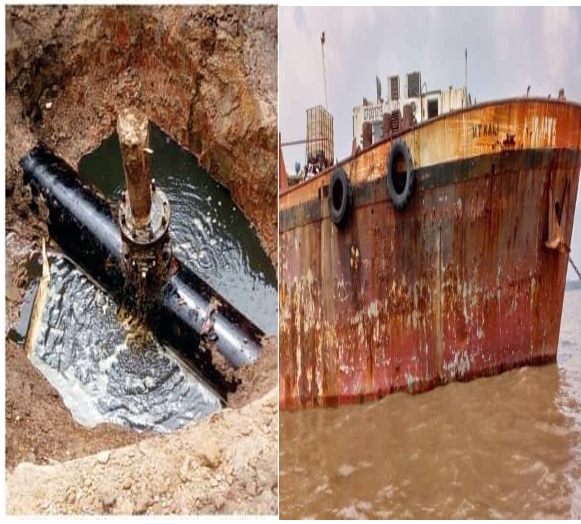
At the heart of the matter lies a fundamental question: what exactly is this surveillance contract designed to achieve? Officially, pipeline surveillance contracts are intended to combat crude oil theft, illegal bunkering, and vandalism—persistent challenges that have significantly impacted Nigeria’s oil production and national revenue. However, critics argue that rather than addressing these issues, the contract may be serving as a conduit for siphoning public funds.
There are also widespread claims—yet to be independently verified—that the contract could be worth as much as ₦2.1 trillion. If accurate, such a figure would make it one of the most expensive security-related engagements in the country, thereby justifying the heightened demand for transparency.
Given the scale of the allegations and the public interest involved, many Nigerians are calling on President Bola Ahmed Tinubu and the Nigerian National Petroleum Company Limited (NNPCL) to provide clear and detailed explanations. Key questions remain unanswered: Who are the actual beneficiaries of this contract? What due process was followed in awarding it? What measurable outcomes have been achieved so far in curbing oil theft?
The controversy continues to “generate dust” largely because of the opacity surrounding the deal. In an environment where public trust in institutions is already fragile, the lack of clear communication fuels speculation, suspicion, and political tension.
For a country heavily reliant on oil revenues, ensuring accountability in contracts tied to the sector is not just important—it is essential. Transparency in this case would not only clarify the intentions behind the Tompolo and Tantita's pipeline surveillance initiative but also reaffirm the government’s commitment to fighting corruption and safeguarding national resources.
Ultimately, Nigerians deserve to know whether this contract is a genuine effort to protect critical infrastructure or another example of systemic inefficiency and alleged financial mismanagement. The responsibility now lies with the relevant authorities to provide answers, restore confidence, and uphold the principles of good governance.
Zik Gbemre
March 24,2026
We Mobilize Others To Fight For Individual Causes As If Those Were Our Causes
-By Zik Gbemre
The ongoing controversy surrounding the pipeline surveillance contract reportedly linked to Tompolo and Tantita Security Services has continued to raise serious public concern. Allegations involving prominent figures and Tompolo boys such as Kestin Pondi, Matthew Tonlagha, Ayiri, Ovie Omo-Agege, James Ibori, and others have intensified scrutiny over the true nature and purpose of the contract.
At the heart of the matter lies a fundamental question: what exactly is this surveillance contract designed to achieve? Officially, pipeline surveillance contracts are intended to combat crude oil theft, illegal bunkering, and vandalism—persistent challenges that have significantly impacted Nigeria’s oil production and national revenue. However, critics argue that rather than addressing these issues, the contract may be serving as a conduit for siphoning public funds.
There are also widespread claims—yet to be independently verified—that the contract could be worth as much as ₦2.1 trillion. If accurate, such a figure would make it one of the most expensive security-related engagements in the country, thereby justifying the heightened demand for transparency.
Given the scale of the allegations and the public interest involved, many Nigerians are calling on President Bola Ahmed Tinubu and the Nigerian National Petroleum Company Limited (NNPCL) to provide clear and detailed explanations. Key questions remain unanswered: Who are the actual beneficiaries of this contract? What due process was followed in awarding it? What measurable outcomes have been achieved so far in curbing oil theft?
The controversy continues to “generate dust” largely because of the opacity surrounding the deal. In an environment where public trust in institutions is already fragile, the lack of clear communication fuels speculation, suspicion, and political tension.
For a country heavily reliant on oil revenues, ensuring accountability in contracts tied to the sector is not just important—it is essential. Transparency in this case would not only clarify the intentions behind the Tompolo and Tantita's pipeline surveillance initiative but also reaffirm the government’s commitment to fighting corruption and safeguarding national resources.
Ultimately, Nigerians deserve to know whether this contract is a genuine effort to protect critical infrastructure or another example of systemic inefficiency and alleged financial mismanagement. The responsibility now lies with the relevant authorities to provide answers, restore confidence, and uphold the principles of good governance.
Zik Gbemre
March 24,2026
We Mobilize Others To Fight For Individual Causes As If Those Were Our Causes